
Is Investing in Advocacy Worth It in a Hospitality Crisis?
- Drinks Provisionist

- Jan 30, 2025
- 4 min read
The bar industry is undergoing a significant transformation in the wake of the pandemic, prompting a revaluation of traditional brand advocacy methods and tactics, which were already hard to define. In this post we discuss why the conventional approach of face-to-face interactions and purposeful visits has lost its effectiveness, and what brands can do to ensure they’re still achieving value from these roles. As huge supporters of the power of advocacy, we’re arguing that if today’s brands want to be successful in this area must pivot towards redefining advocacy to reflect current dynamics and concentrate even more efforts on forging deeper connections within the bar community.

Evolution of advocacy in the bar world
The pandemic has disrupted the familiar interactions between brand ambassadors and the industry. Ambassadors who weathered the pandemic found themselves facing a much harder operating environment generally, and their most attention-grabbing activities like distillery visits cancelled due to exorbitant air travel costs. This highlighted the need for ongoing relationship cultivation, and those seeking to return to pre-pandemic practices were met with a challenging reality. Staff shortages, a brewing cost of living crisis alongside an industry wide reappraisal of the pitfalls of ‘living the job’ all contributed to this shift. People on both sides of the bar are making different decisions about how much of their time they spend in or around bars. This throws up difficulties for advocacy programs which have traditionally relied on education and brand experiences as extracurricular activities attended out of a soft obligation for self-betterment that frankly, no longer exists.
The current bar landscape in a post-pandemic Australia
The bar scene in Australia is grappling with a hospitality crisis caused by a shortage of workers. Despite recent efforts to fill positions, bars we speak to are reporting that they’re still struggling to attract suitable staff for long-term roles. The pandemic's impact on international visa holders departing Australia has significantly contributed to the hospitality and tourism sector's ills, with circa 667k fewer temporary visa holders in the country in 2022 vs 2019 levels. This exacerbates a pre-existing issue of unattractive working conditions and low pay which made international staffing such an integral part of the industry’s structure. The Restaurant Catering Industry Association estimated we’re currently dealing with a 100,000 person shortfall in the hospitality industry.
Add to this the existing stats that Australia lags behind the rest of the world in terms of how many people working in hospitality view it as a long term career (CGA) and the ‘pandemic effect’ of those using the pandemic pause to switch career paths and you begin to understand that when people talk of a hospitality crisis, they’re not understating it.
Why this matters
Australian drinking habits are shifting the way of most western developed nations, with premiumisation playing an important role in most drinks company's strategies. This agenda depends on the top echelons of the hospitality scene and a general trickle-down approach through the industry. In simple terms, the dramatic rise of premium gin over the last two decades has illustrated this beautifully. 25 years ago Super Premium Gin was a new concept, now it’s very much in homes right across the country, supporting either sales from huge international drinks brands or a wave of new craft distillers. What they have in common is premium positioning and premium price points, which has added significant value to the category.
So what, for advocacy in 2025?
Put simply, bars are only engaging with brands who can offer them, and their staff genuine value. Goodwill is not as prevalent as it was pre pandemic and buyers are looking at vast inventories of diverse brands with a view to rationalisation. Amidst a backdrop of economic uncertainty, consumers are looking more closely at disposable spend, and established large brands are working hard to recover any volume dips experienced as a result of the shutdowns through the pandemic.
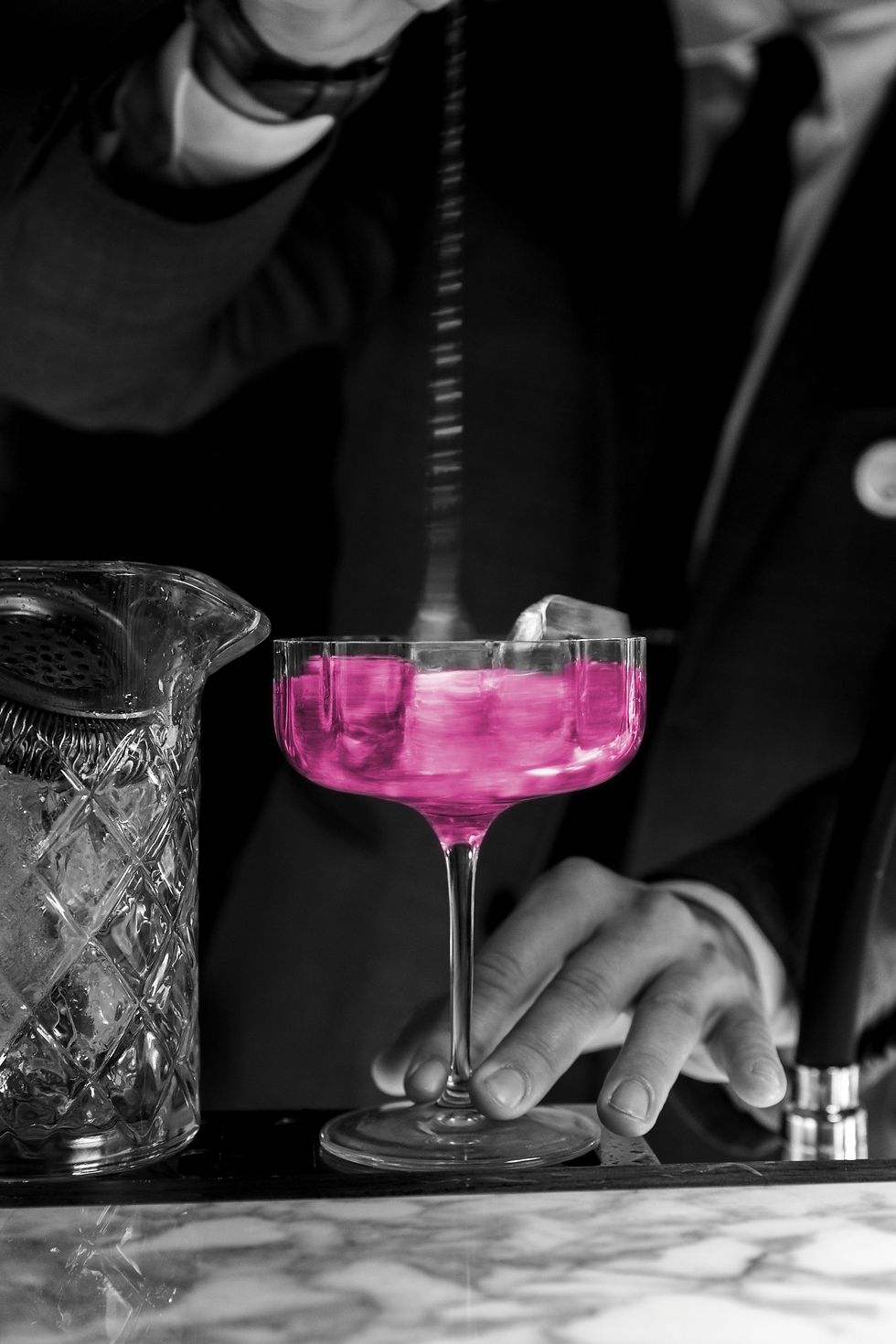
The significance of bartender advocacy
Understanding the importance of advocacy necessitates recognising that most bar-goers only allocate a fraction of their attention to the art of drinking. Amid their busy lives and exposure to a barrage of opinions, images, and ads, the primary purpose of visiting a bar is relaxation or socialising with friends. With around 75% of customers making their drink choice on the spot, the bar environment can be overwhelming, which brands need to acknowledge when considering their advocacy strategies.
Bartenders hold a crucial role in shaping drink culture. Their expertise in curating trends and crafting experiences that influence the drinks industry. Acknowledging their importance, brands have historically used advocacy to communicate liquid credentials, brand associations or serve strategies to customers. Such advocacy extends beyond a mere upsell of a product; it encompasses a holistic approach that shapes brand perception.
The growing importance of advocacy post-pandemic
Despite a downturn in consumer spending in the bar industry, alcohol sales remain high, especially in Australia. With an emerging cohort of new bartenders emerging in Australia’s main cities, the race to instil brand perceptions in a new generation of bartender has started. Ambassadors need to be more active than ever in building their networks and need to be mindful not simply to rely on old relationships for their reach.

We know that brands discovered and revered in bars often translate into strong off-trade sales, demonstrating the interconnectedness of the two sectors. Conversely, neglecting advocacy at this crucial period of inflection in Australian drinks culture could lead to negative brand sentiment that lingers, making it a risk brands cannot afford to overlook.
We help clients develop long term advocacy strategies linked to brand priorities. We also recruit, train and manage brand ambassador programs on behalf of clients that are geared toward driving long-term value and ROI.
In conclusion, the bar industry's future of brand advocacy is marked by change and adaptation. The future of brand advocacy in the bar industry is rife with potential. As the landscape shifts, embracing change and adopting fresh strategies will be pivotal for brands seeking lasting connections and meaningful engagement within this evolving community.
Drinks Provisionist is here to help! We love helping brands navigate this dynamic landscape to ensure that your brand not only adapts but thrives in this new era.
Get in touch with us today!


Comments